
In today's world, ensuring the safety and security of our Atlanta communities is more important than ever. For places of worship, creating a comprehensive security plan is a crucial step in protecting congregations from potential threats. This guide outlines key considerations for developing a church security plan specifically tailored to address active threat events.

Assessing Vulnerabilities
Before developing a security plan, it's essential to assess potential vulnerabilities. This involves identifying weaknesses in current security measures, evaluating potential threats, and understanding the specific needs of the congregation. Consider factors such as the building's layout, accessibility, and the surrounding environment. Consulting with security professionals can provide valuable insights and recommendations.
Developing a Security Team
A well-trained security team is the backbone of any effective security plan. This team should consist of volunteers or staff members who are dedicated to ensuring the safety of the congregation. Responsibilities may include monitoring entrances, conducting patrols, and responding to emergencies. Background checks and thorough training are essential for all team members.
Implementing Security Measures
Implementing a range of security measures can help deter potential threats and minimize the impact of an active threat event. These measures may include:
Controlled Access: Limiting access to the building through controlled entrances and visitor check-in procedures.
Surveillance Systems: Installing security cameras to monitor key areas and deter criminal activity.
Communication Systems: Establishing clear communication channels for reporting suspicious activity and coordinating emergency response efforts.
Emergency Response Plan: Developing a detailed emergency response plan that outlines procedures for evacuation, lockdown, and communication with law enforcement.
Training and Drills
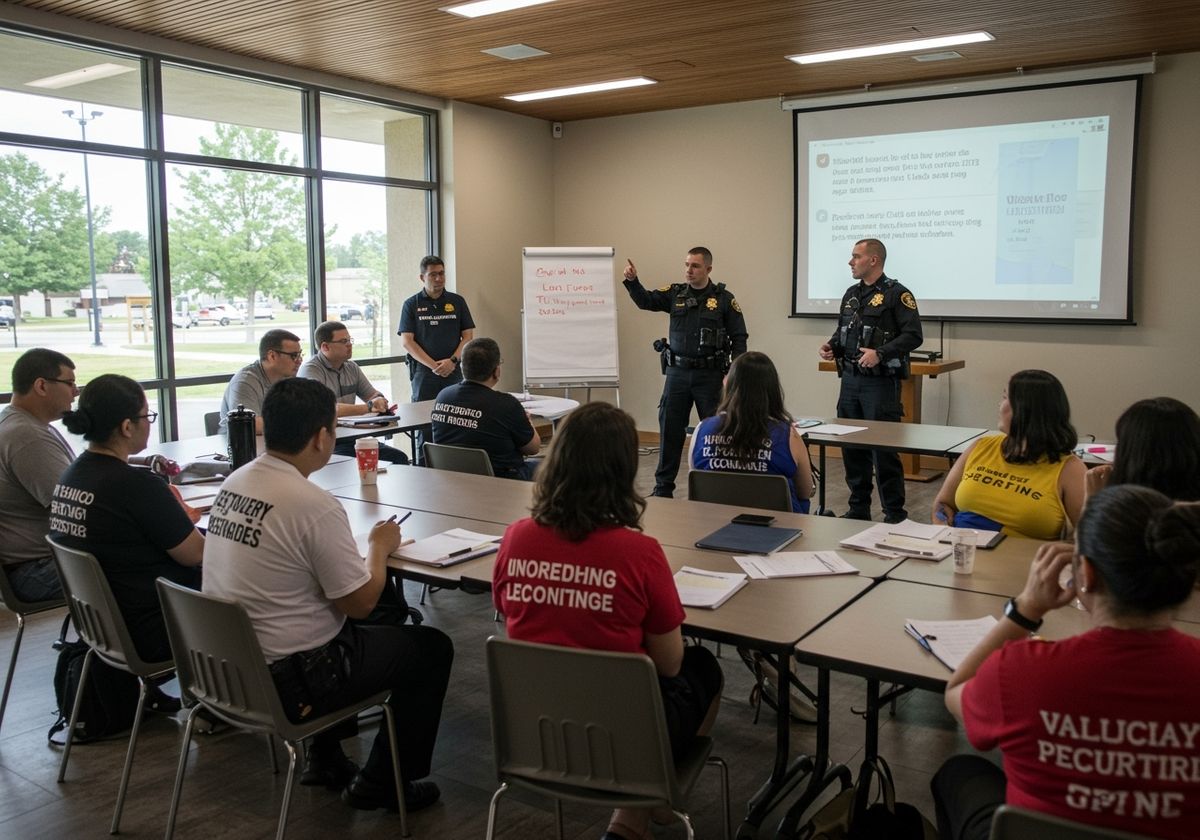
Regular training and drills are essential for ensuring that the security team and congregation are prepared to respond effectively to an active threat event. Training should cover topics such as situational awareness, de-escalation techniques, and first aid. Conducting drills can help identify weaknesses in the security plan and improve response times.
Collaboration with Law Enforcement
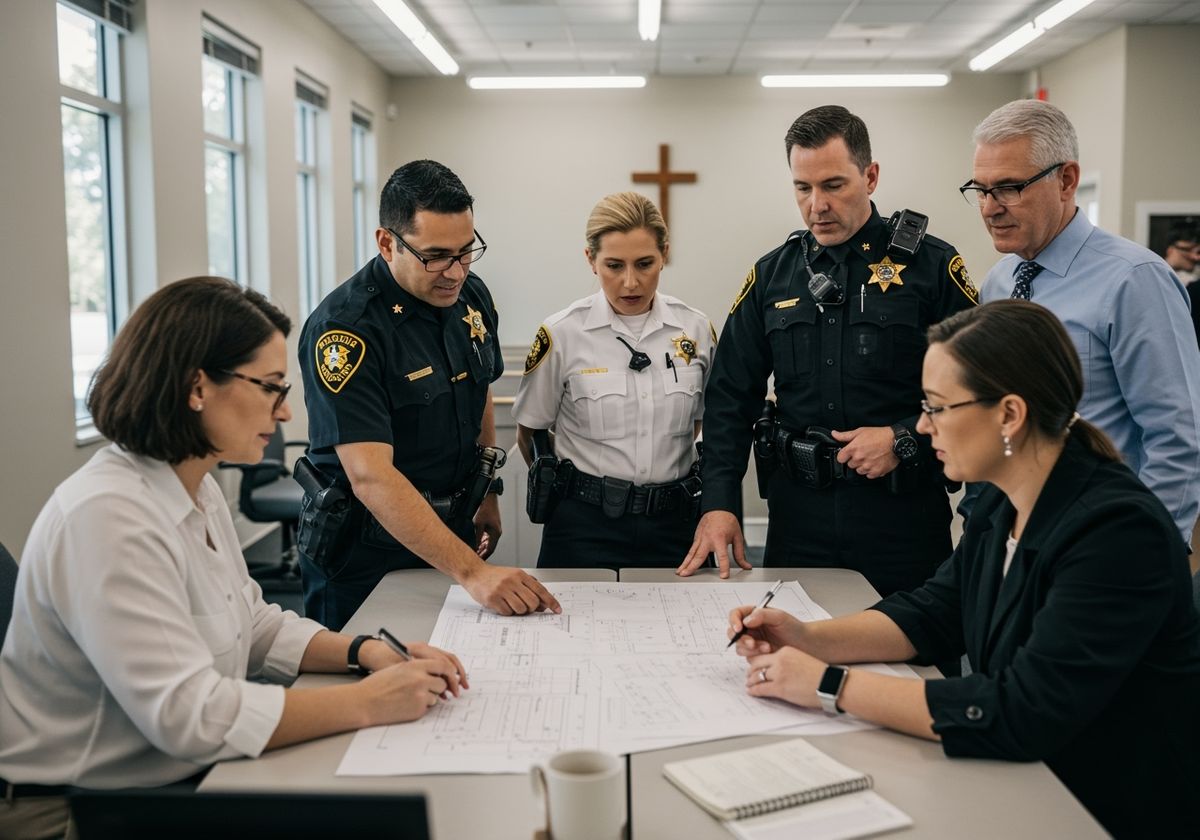
Building strong relationships with local law enforcement agencies is crucial for effective security planning. Invite law enforcement officials to assess the church's security measures and provide recommendations. Collaborate with law enforcement to develop a coordinated response plan for active threat events. Star Security Agency understands the importance of comprehensive security planning. By assessing vulnerabilities, developing a security team, implementing security measures, and collaborating with law enforcement, churches can create a safer environment for their congregations. Contact us today to learn more about our armed security services and how we can help protect your place of worship.